-
-
-
Monday - Saturday: 3:30 pm - 7:30 pm
Thrombosis
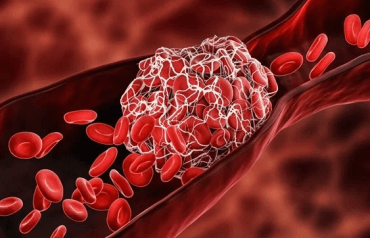
What Is Thrombosis?
Thrombosis occurs when a blood clot forms inside a blood vessel or within a chamber of the heart. These clots may partially or completely block blood flow, or detach and travel to other areas of the body. When a clot lodges in vital organs such as the lungs or brain, it can cause life-threatening emergencies including pulmonary embolism or stroke.
Symptoms vary depending on the clot’s size and location and may include chest pain, breathing difficulty, swelling, or changes in skin color. Understanding risk factors and recognizing early warning signs are crucial for timely diagnosis and prevention.
Types of Thrombosis
Thrombosis occurs in two major forms depending on the type of blood vessel involved:
- Arterial Thrombosis: Develops in arteries supplying oxygen-rich blood from the heart and can lead to heart attacks or strokes.
- Venous Thrombosis: Forms in veins that return blood to the heart and may result in pulmonary embolism when a clot travels to the lungs.
Regardless of location, thrombosis can block blood flow at the site of formation or cause secondary obstructions when a clot dislodges and becomes an embolus, leading to serious complications such as stroke, heart attack, or lung injury.
Symptoms of Thrombosis
Symptoms depend on where the clot forms and how severely blood flow is restricted. Common warning signs based on location include:
- Lungs (Pulmonary Embolism): Sharp chest pain, pain while breathing, rapid heartbeat
- Brain or Neck: Sudden weakness, facial drooping, slurred speech
- Heart: Chest pressure, dizziness, shortness of breath
- Abdomen: Severe pain after meals, nausea, vomiting, diarrhea, fever
- Arteries in Arms or Legs: Pale or cool skin, weakness, reduced movement
- Veins in Arms or Legs: Red or darkened skin, swelling, localized pain
Treatment for Thrombosis
Treatment depends on the clot’s size, location, and the patient’s overall health. Healthcare providers use medications, minimally invasive procedures, and surgical techniques to restore circulation and prevent complications.
- Anticoagulants: Medications that prevent new clots from forming and stop existing ones from growing.
- Thrombolytic Therapy: “Clot-busting” drugs used in emergencies to dissolve dangerous clots causing strokes or heart attacks.
- Thrombectomy: Surgical or catheter-based removal of clots from blood vessels.
Best Hematology Doctor for Thrombosis
At Dr. Devesh Parashar Hematology Clinic, we specialize in diagnosing and managing blood clot disorders with advanced treatment strategies and compassionate patient care. We recognize how alarming thrombosis can be and remain committed to supporting you at every stage of recovery.
Contact us today to learn more or schedule a consultation with our hematology experts.
