-
-
-
Monday - Saturday: 3:30 pm - 7:30 pm
Malaria
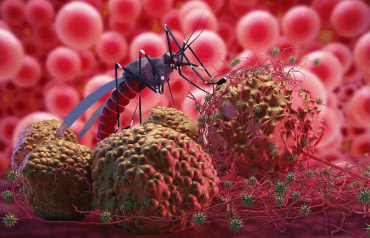
What Is Malaria?
Malaria is a potentially life-threatening disease caused by parasites transmitted to humans through the bites of infected female Anopheles mosquitoes. It is most prevalent in tropical and subtropical regions, particularly across sub-Saharan Africa, Asia, and Latin America.
The parasite infects red blood cells, leading to cycles of fever, anemia, and organ complications if left untreated. Early diagnosis and prompt treatment are essential for preventing severe illness.
Symptoms of Malaria
Malaria symptoms typically develop between 10 days and four weeks after infection, though in some cases they may appear much later. Severity depends on the species involved and the patient’s immunity.
- Fever with chills and shaking
- Headache
- Nausea and vomiting
- Muscle pain and fatigue
- Excessive sweating
- Abdominal pain
- Diarrhea
- Anemia
- Jaundice (yellowing of the skin and eyes)
Causes of Malaria
Malaria is caused by protozoan parasites from the Plasmodium genus. Five species are responsible for infections in humans:
- Plasmodium falciparum: The most severe form, commonly seen in Africa
- Plasmodium vivax: Found in Asia and Latin America and capable of relapse
- Plasmodium ovale: Similar to P. vivax, occurring in Africa and Pacific islands
- Plasmodium malariae: Can cause long-term chronic infection
- Plasmodium knowlesi: Seen in Southeast Asia and may cause severe disease
Treatment of Malaria
Treatment is tailored to the species of parasite, illness severity, geographic region, and patient health status. Prompt therapy prevents complications and limits transmission.
- Artemisinin-based Combination Therapies (ACTs): First-line treatment for P. falciparum
- Chloroquine: Effective for certain species where resistance is absent
- Primaquine: Prevents relapse of P. vivax and P. ovale
- Other medications: Quinine, mefloquine, and atovaquone-proguanil
