-
-
-
Monday - Saturday: 3:30 pm - 7:30 pm
Sickle Cell Disease
What is Sickle Cell Disease?
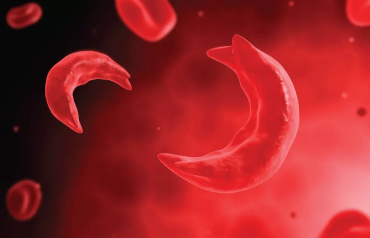
Sickle cell disease (SCD) is a group of inherited blood disorders that affect red blood cells, which normally transport oxygen throughout the body. Healthy red blood cells are round and flexible, allowing them to move easily through blood vessels.
In people with SCD, abnormal hemoglobin causes the red blood cells to become rigid and shaped like a sickle. These cells break down faster than normal, leading to chronic anemia. Their irregular shape can block small blood vessels, reducing blood flow and causing pain, infections, and organ damage.
Types of Sickle Cell Disease
Sickle cell disease includes several types depending on the genes inherited from parents:
- Hemoglobin SS (HbSS): The most severe form, affecting about 65% of patients, occurring when both parents pass on the hemoglobin S gene.
- Hemoglobin SC (HbSC): A milder to moderate form seen in about 25% of cases, inherited when one parent provides hemoglobin S and the other hemoglobin C.
-
HbS Beta-Thalassemia: Occurs when one parent passes hemoglobin S and the other
beta-thalassemia. Subtypes include:
- HbS Beta +: Milder form (~8%).
- HbS Beta 0: More severe (~2%).
- Rare Types: HbSD, HbSE, and HbSO — caused when hemoglobin S combines with other abnormal variants.
Symptoms of Sickle Cell Disease
Symptoms often appear around 5–6 months of age and vary between individuals. Common signs include:
- Frequent pain episodes (pain crises)
- Anemia causing fatigue, weakness, and pale skin
- Jaundice with yellowing of skin and eyes
- Painful swelling of hands and feet
- Frequent infections
Treatment Options for Sickle Cell Disease
Treatment for sickle cell disease includes medications, blood transfusions, stem cell transplantation, and emerging gene therapies. Each plan is personalized based on disease severity and patient health.
Medications
- Hydroxyurea: Reduces pain crises, acute chest syndrome, and severe anemia.
- Antibiotics: Given to infants and young children to prevent infections.
- Voxelotor: Helps prevent red blood cell sickling and improves oxygen delivery.
- Crizanlizumab: Prevents cell adhesion in blood vessels and reduces inflammation.
- L-glutamine: Lowers frequency of pain crises.
Blood Transfusions
- Acute transfusions for strokes or severe anemia
- Chronic transfusion programs for complication prevention
Stem Cell Transplant
Bone marrow transplantation may cure SCD in selected patients. It requires a compatible donor, typically a sibling, although research is expanding donor options. Risks and benefits are carefully discussed before proceeding.
Gene Therapy
Gene therapy is an emerging treatment that aims to repair or replace abnormal hemoglobin genes in stem cells. Though still under study, early results are promising for long-term disease control.
Best Hematology Doctor
At Dr. Devesh Parashar Hematology Clinic, we provide compassionate and comprehensive care for patients with blood disorders. Our multidisciplinary approach focuses on advanced diagnostics, personalized treatment plans, and continuous patient support throughout the care journey.
If you or a loved one has been diagnosed with sickle cell disease, our team is here to help. Contact us today to learn more or schedule an appointment with our hematology specialists.
