-
-
-
Monday - Saturday: 3:30 pm - 7:30 pm
Leukemia
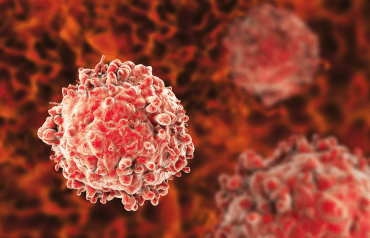
What Is Leukemia?
Leukemia is a type of blood cancer that originates in the bone marrow — the soft, spongy tissue inside bones where blood cells are produced. In leukemia, the bone marrow creates abnormal white blood cells that grow rapidly and crowd out healthy blood cells. These abnormal cells do not function properly, making the body vulnerable to infections, anemia, and bleeding complications.
Leukemia can affect both children and adults and may develop suddenly (acute leukemia) or progress slowly over time (chronic leukemia). Early diagnosis and specialized hematology care are critical for improving outcomes.
Symptoms of Leukemia
Leukemia symptoms vary based on the type and stage of the disease. Some patients experience mild early signs, while others develop more severe symptoms as abnormal cells accumulate in the bloodstream.
- Persistent fatigue and weakness
- Frequent or severe infections
- Fever or night sweats
- Easy bruising or excessive bleeding
- Pale skin due to anemia
- Shortness of breath
- Bone or joint pain
- Swollen lymph nodes, liver, or spleen
- Unintentional weight loss or poor appetite
Types of Leukemia
Leukemia is classified based on how quickly it progresses and the type of blood cell affected.
Acute Leukemia
- Acute Lymphoblastic Leukemia (ALL): Common in children but can occur at any age
- Acute Myeloid Leukemia (AML): Affects adults more frequently and progresses rapidly
Chronic Leukemia
- Chronic Lymphocytic Leukemia (CLL): Typically develops slowly in older adults
- Chronic Myeloid Leukemia (CML): Often associated with the Philadelphia chromosome
Causes and Risk Factors
The exact cause of leukemia is not always known, but genetic mutations within bone marrow cells lead to uncontrolled growth. Several risk factors may increase the likelihood of developing the disease.
- Exposure to high levels of radiation
- Certain chemotherapy treatments
- Smoking
- Genetic disorders such as Down syndrome
- Family history of blood cancers
- Chemical exposure (e.g., benzene)
How Is Leukemia Diagnosed?
Diagnosis typically involves blood tests and bone marrow examination. Advanced laboratory studies help identify the leukemia type and guide treatment planning.
- Complete blood count (CBC)
- Peripheral blood smear
- Bone marrow biopsy
- Cytogenetic and molecular testing
- Imaging studies when necessary
Treatment for Leukemia
Treatment depends on the type of leukemia, patient age, overall health, and disease stage. Modern hematology offers highly effective therapies that continue to improve survival rates.
- Chemotherapy: Uses drugs to destroy cancer cells
- Targeted Therapy: Blocks specific abnormalities in leukemia cells
- Immunotherapy: Helps the immune system fight cancer
- Radiation Therapy: Used in selected cases
- Stem Cell Transplant: Replaces diseased marrow with healthy cells
- Supportive Care: Blood transfusions, antibiotics, symptom control
Best Hematology Doctor for Leukemia
At Dr. Devesh Parashar Hematology Clinic, we specialize in diagnosing and treating leukemia with personalized, evidence-based care plans designed for long-term success.
We understand that a leukemia diagnosis can feel overwhelming. Contact us today to schedule a consultation or book an appointment with our experienced hematology team.
