-
-
-
Monday - Saturday: 3:30 pm - 7:30 pm
Hemophilia
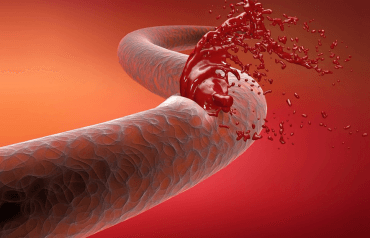
What Is Hemophilia?
Hemophilia is a rare inherited bleeding disorder in which the blood does not clot properly. This occurs due to the absence or deficiency of specific clotting factors—proteins in the blood that work together to form clots and stop bleeding.
Individuals with hemophilia may bleed for a longer time than usual after injury or surgery, and in severe cases, bleeding can happen spontaneously inside joints, muscles, or internal organs. Hemophilia primarily affects males, though females may carry the gene and sometimes experience mild symptoms.
Symptoms of Hemophilia
Symptoms vary depending on the severity of the condition and the level of clotting factor present. Mild hemophilia may only be discovered after surgery or trauma, while severe forms can cause frequent and spontaneous bleeding episodes.
- Prolonged bleeding after cuts, injuries, or dental procedures
- Frequent nosebleeds
- Large or unexplained bruises
- Bleeding into joints causing pain, swelling, and stiffness
- Blood in urine or stools
- Internal bleeding in muscles or organs
- Excessive bleeding following vaccinations or surgery
Causes of Hemophilia
Hemophilia is caused by genetic mutations that affect the production of clotting factors. These mutations are usually inherited from parents, although some individuals develop the condition without a family history due to spontaneous gene changes.
There are two main types of hemophilia:
- Hemophilia A: Caused by a deficiency of clotting factor VIII
- Hemophilia B: Caused by a deficiency of clotting factor IX
How Is Hemophilia Treated?
Although hemophilia has no permanent cure, modern treatments allow individuals to lead long, active lives. Treatment focuses on preventing bleeding episodes, replacing missing clotting factors, and managing complications.
- Factor Replacement Therapy: Regular infusions of clotting factor VIII or IX to prevent or control bleeding.
- Prophylactic Therapy: Scheduled infusions to reduce the risk of spontaneous bleeding and joint damage.
- Desmopressin (DDAVP): Used in mild hemophilia A to stimulate clotting factor release.
- Antifibrinolytic Drugs: Such as tranexamic acid to help stabilize blood clots.
- Emicizumab: A newer preventive injectable therapy for hemophilia A that mimics clotting factor function.
Advanced & Emerging Therapies
Advances in hematology have introduced innovative treatments that significantly improve quality of life for people living with hemophilia.
- Gene Therapy: Experimental approaches aim to correct the faulty gene responsible for clotting factor deficiency.
- Long-acting Factor Products: Reduce the frequency of infusions.
- Immune Tolerance Therapy: Helps patients who develop inhibitors to clotting factors.
Best Hematology Doctor for Hemophilia
At Dr. Devesh Parashar Hematology Clinic, we provide specialized care for patients with hemophilia using advanced diagnostic techniques and personalized treatment plans. Our multidisciplinary team supports long-term management, joint health monitoring, and preventive therapy programs.
Contact us today to schedule a consultation or learn more about hemophilia treatment options.
