-
-
-
Monday - Saturday: 3:30 pm - 7:30 pm
Thalassemia
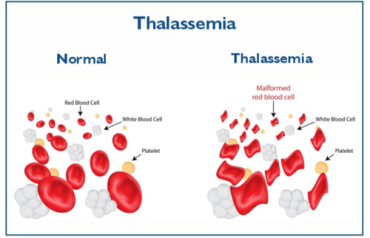
What Is Thalassemia?
Thalassemia is an inherited blood disorder that affects the body’s ability to produce hemoglobin — the protein responsible for transporting oxygen in red blood cells. Reduced hemoglobin production can cause anemia, resulting in fatigue, weakness, and shortness of breath.
Mild forms may not require treatment, while severe cases often need ongoing medical care, including regular blood transfusions.
Symptoms of Thalassemia
Symptoms vary based on the type and severity. Some infants develop signs early in life, while carriers may remain symptom-free.
- Fatigue and weakness
- Pale or yellowish skin
- Facial bone deformities
- Delayed growth
- Abdominal swelling
- Dark-colored urine
Causes of Thalassemia
Thalassemia is caused by inherited genetic mutations that interfere with hemoglobin production. Hemoglobin is made up of alpha and beta protein chains. Reduced production of either results in alpha-thalassemia or beta-thalassemia.
Alpha-Thalassemia Severity Levels
- One mutated gene: No symptoms; carrier status.
- Two mutated genes: Mild symptoms (thalassemia trait).
- Three mutated genes: Moderate to severe disease.
- Four mutated genes: Usually fatal without lifelong transfusions or transplant.
In beta-thalassemia, severity depends on which part of the hemoglobin molecule is affected.
How Is Thalassemia Treated?
Treatment depends on severity and type. Standard therapies for thalassemia major include:
- Blood transfusions: Restore red blood cell levels every few weeks or months.
- Iron chelation therapy: Oral medication that removes excess iron.
- Folic acid supplements: Support red blood cell production.
- Stem cell transplant: The only curative option when a matched donor is available.
- Luspatercept: Injection every three weeks to reduce transfusion dependence.
Stem cell transplantation requires human leukocyte antigen (HLA) matching between donor and recipient. After infusion, donor cells typically begin producing healthy blood cells within one month.
Best Hematology Doctor for Thalassemia
At Dr. Devesh Parashar Hematology Clinic, we provide comprehensive, compassionate care for patients living with thalassemia and other blood disorders. Our multidisciplinary approach focuses on advanced diagnostics, personalized therapy, and long-term monitoring.
Contact us today to schedule a consultation or book an appointment with our hematology specialists.
