-
-
-
Monday - Saturday: 3:30 pm - 7:30 pm
Blood Cancer
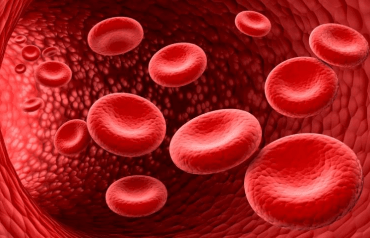
What Is Blood Cancer?
Blood cancer affects the production and function of blood cells. Most blood cancers originate in the bone marrow, where stem cells mature into red blood cells, white blood cells, and platelets. Normal blood cells fight infection, carry oxygen, and control bleeding. When cancer develops, abnormal blood cells multiply uncontrollably and overwhelm healthy cells, disrupting vital bodily processes. Advances in treatment continue to improve survival rates as new therapies are developed.
The Three Main Types of Blood Cancer
There are three major categories of blood cancer, each with multiple subtypes:
- Leukemia: The most common type, especially in children and adolescents, including acute lymphoblastic leukemia (ALL), acute myeloid leukemia (AML), chronic lymphocytic leukemia (CLL), and chronic myelogenous leukemia (CML).
- Lymphoma: Affects the lymphatic system and includes Hodgkin lymphoma, non-Hodgkin lymphoma, follicular lymphoma, Waldenstrom macroglobulinemia, B-cell lymphoma, and cutaneous T-cell lymphoma.
- Multiple Myeloma: Develops in plasma cells within bone marrow; subtypes include plasmacytoma and amyloidosis.
Common Symptoms of Blood Cancer
Symptoms vary by type and stage but frequently include:
- Severe fatigue and weakness
- Persistent fever or recurrent infections
- Drenching night sweats
- Easy bruising or prolonged bleeding
- Unintentional weight loss
- Swollen lymph nodes, liver, or spleen
- Bone pain or tenderness
How Blood Cancers Are Treated
Treatment depends on age, health status, cancer type, and disease stage. Many patients receive a combination of therapies:
- Chemotherapy: Drug therapy to destroy or slow cancer growth.
- Radiation Therapy: Focused energy beams to damage cancer cells.
- Immunotherapy: Strengthens the immune system to target malignant cells.
- Targeted Therapy: Attacks genetic mutations driving cancer growth.
- CAR T-Cell Therapy: Genetically modified immune cells used for resistant disease.
- Autologous Stem Cell Transplant: Patient’s own stem cells are reinfused after chemotherapy.
- Allogeneic Stem Cell Transplant: Donor stem cells replace diseased marrow.
Best Hematology Doctor for Blood Cancer
At Dr. Devesh Parashar Hematology Clinic, we provide compassionate, comprehensive care for patients with blood cancers and hematologic disorders. Our multidisciplinary approach combines advanced diagnostics, individualized treatment plans, and continuous support throughout every stage of care.
Contact us today to learn more or schedule an appointment with our hematology specialists.
